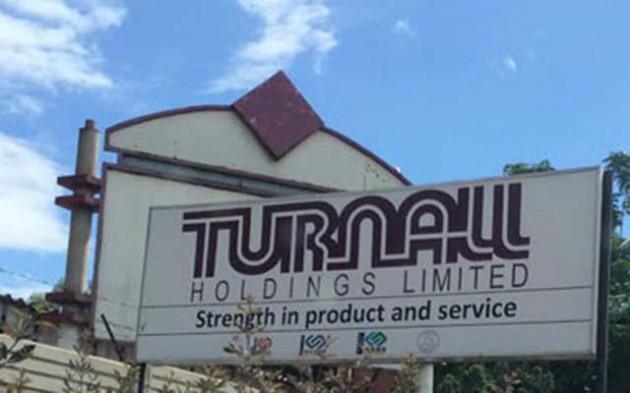
Turnall Holdings said its third-quarter gross margin nearly halved to 15% even as sales volumes jumped 24%, as higher cement costs, plant commissioning expenses and price competition eroded profitability at the building materials maker.
BY BUSINESS REPORTER
Sales volumes rose to 11 354 tonnes from 9 150 tonnes a year earlier, the company said in a trading update, driven by improved demand for its products on the back of “ongoing marketing initiatives”.
The results show strong demand failing to translate into earnings, while a 34% drop in production after a fibre outage added to the strain.
The company now relies on a new plant, a solar project and cost cuts to restore profitability, and its board called the margin decline and higher financing charges key challenges that need urgent redress.
Year-to-date sales volumes grew 29% to 28 161 tonnes from 21 824 tonnes.
Production volumes fell 34% in the quarter to 7 082 tonnes from 10 782 tonnes. The company blamed supply chain disruptions that lengthened lead times and caused the outage in September 2026. It said the problem has been resolved and production has returned to normal.
Gross margin for the quarter fell to 15% from 28% a year earlier. For the nine months, it declined to 18% from 26%.
The company cited three causes: higher production costs, mainly from cement price increases and commissioning costs for a new sheeting plant in Harare; a sales mix tilted toward lower-margin concrete products; and competitive pricing pressure that limited its ability to pass higher input costs on to customers.
Cost-cutting offered some relief. The ratio of operating expenses to sales improved to 19% in the third quarter from 26%, and to 23% year to date from 29%.
The savings were not enough to offset the fall in gross profit, the company said. It added that it continues to generate positive operating cash flows.
The new Harare fibre-cement plant, with installed capacity of 210 tonnes per day, was commissioned in March 2026 and is being optimised, with a focus on yields, product quality and capacity utilisation.
To cope with power disruptions, the company is building a solar plant to supplement energy supply to its Harare operations. It is due to be commissioned in the fourth quarter of 2026 and is expected to improve uptime and lower energy costs.
It also plans to upgrade its Bulawayo sheeting plant to make roofing sheets using synthetic fibres, a step intended to support a resumption of regional exports and widen its product range.
The company intends to broaden its building materials portfolio with complementary lines, including timber and solar energy products, using its existing distribution network and customer relationships. It is also exploring a wider investment and operating base.
The board said it is focused on restoring sustainable profitability through higher capacity utilisation, better production efficiency, margin recovery, disciplined cost management and revenue diversification. It said it will make substantial investments in marketing to drive sales across all product lines.
“The board believes that these initiatives, coupled with the benefits that will accrue from the above-mentioned current strategic initiatives, will ensure sustainable shareholder value creation,” Turnall said.