
Climate finance reaching Africa meets only about 11% of what the continent needs to deliver its national climate plans, the head of the UN Economic Commission for Africa (ECA) said on Tuesday, urging that new climate initiatives be given lasting institutional backing and funding.
BY BUSINESS REPORTER
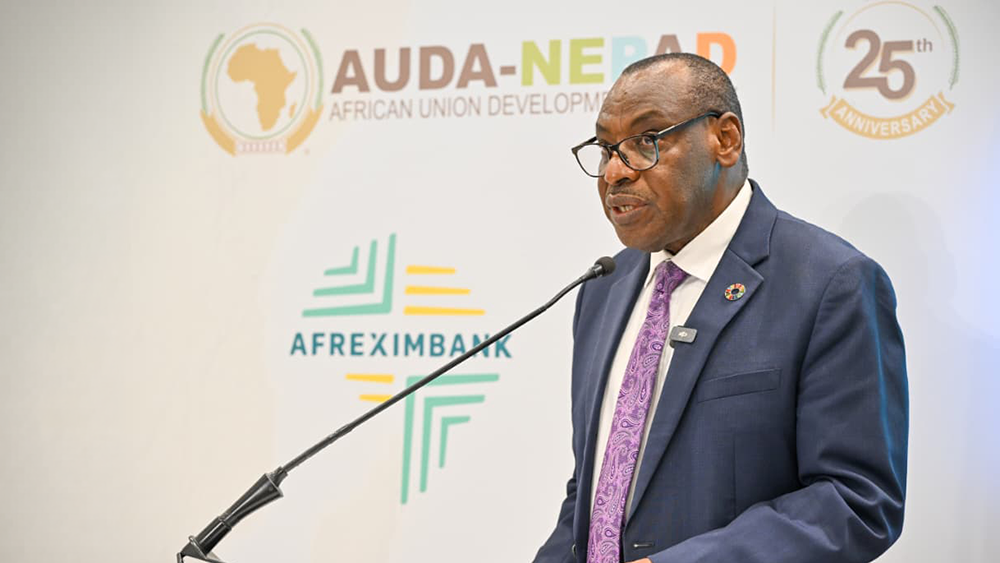
Claver Gatete, the ECA’s executive secretary, told a COP31 side event in Antalya, Türkiye, that Africa needs an estimated US$277 billion a year through 2030 to implement its nationally determined contributions, but current flows fall far short.
He said many initiatives announced at climate summits lose momentum once the presidency that launched them hands over, even as African communities face worsening climate impacts with inadequate resources.
“Climate financing must ease these pressures rather than deepen them,” Gatete said, noting that high borrowing costs were already straining African economies.
CLIMATE COSTS
Gatete said Africa is warming by about 0,3 degrees Celsius per decade and that 2024 was among its warmest years on record. Climate-related impacts are costing some African countries an average of 5% of gross domestic product, he said, while some are diverting as much as 9% of national budgets to respond to extreme weather.
INITIATIVES AT RISK
Nearly 500 cooperative climate initiatives have been launched since the 2015 Paris Agreement, Gatete said. At COP30 in Belem, Brazil, the presidency drew together more than 480 existing initiatives under its Global Climate Action Agenda, producing 120 Plans to Accelerate Solutions by June 2026, he said.
However, a 2025 assessment by the Council on Energy, Environment and Water of 203 such initiatives found only 28% had dedicated budgets, he said. The study also stressed the importance of clear targets, institutional arrangements and monitoring.
Gatete set out three requirements for initiatives to deliver: a home beyond the presidency that launched them, secured financing, and visible results.
He said initiatives should learn from those that have mobilised investment, worked with development finance institutions and helped countries prepare investment-ready projects. Reporting arrangements should remain practical for countries with limited institutional capacity, he added.
ROAD TO COP32
Gatete pointed to the COP31 presidency’s Climate Implementation Bridge, which aims to help countries turn climate and development commitments into projects that can attract financing. Ethiopia is one of its first five pilot countries, he said, and its participation could strengthen project preparation and access to finance ahead of COP32 in Addis Ababa.
“For Africa, climate investment must also support wider development priorities, including energy access, food security, resilient infrastructure, industrialization and jobs,” he said.