
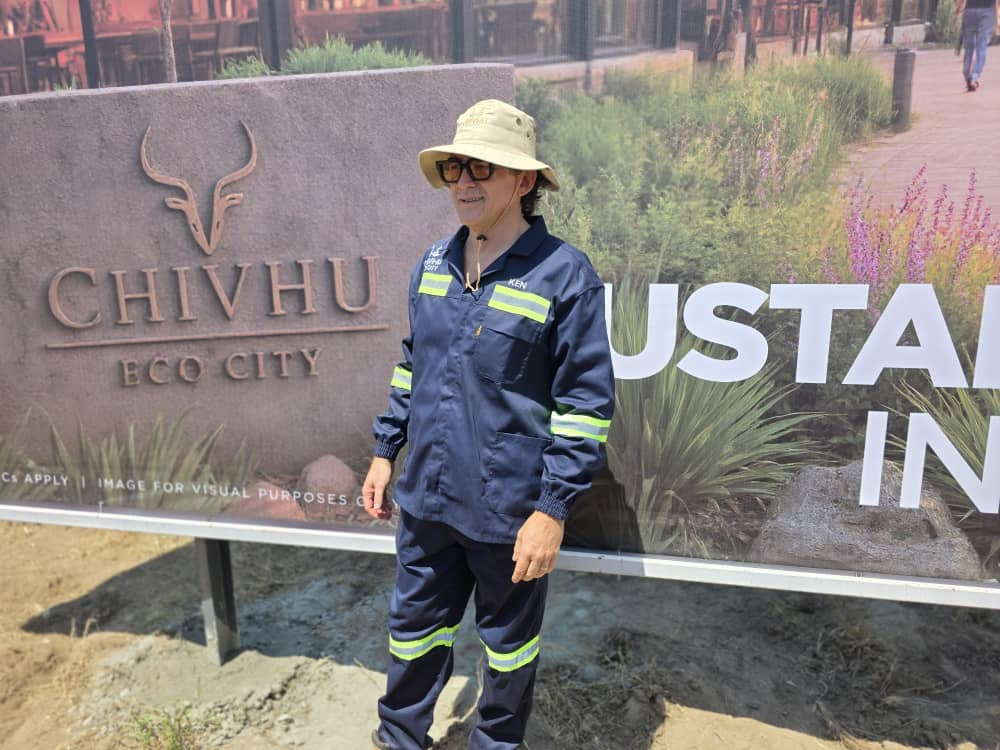
WestProp Holdings Limited’s revenue surged 167,1% to US$14,96 million in the third quarter to September 30, driven by strong demand for its newly launched Chivhu EcoCity development and increased sales across its residential property portfolio.
BY BUSINESS REPORTER
The property developer’s revenue rose from US$5,6 million in the corresponding quarter last year, while profit after tax more than tripled to US$2,9 million from US$870 000.
The strong performance highlights the growing contribution of WestProp’s expanding development portfolio, with Chivhu EcoCity emerging as its biggest revenue generator in its first full quarter of sales.
However, the expansion came alongside a decline in gross profit margin, reflecting a shift towards land and infrastructure-led sales, which have a different cost structure from completed residential properties.
In its third-quarter trading update, WestProp said Chivhu EcoCity contributed US$5,88 million to revenue, accounting for the largest share of quarterly sales.
Millennium Heights followed with US$3,72 million, while Pomona City and The Hills contributed US$2,22 million and US$1,65 million, respectively.
The group said its revenue base had become more diversified, spreading across eight projects and business divisions compared with the concentration in Pomona City, Seatrite and Pokugara during the corresponding period last year.
Gross profit increased to US$5,43 million from US$2,85 million, but the gross profit margin declined to 36,3% from 50,8%.
WestProp attributed the margin contraction to a change in revenue mix, with a larger proportion of sales coming from land and infrastructure-led developments at Chivhu EcoCity, which have a different cost profile from completed residential units.
Cost of sales increased to US$9,53 million from US$2,76 million, reflecting heightened construction activity and the expansion of the group’s development pipeline.
Other income rose to US$1,29 million from US$410 000, supported by property levy receipts, interest charged on debtors, utilities recoveries and other income sources.
Operating expenses increased 41,5% to US$2,2 million from US$1,54 million, reflecting expansion initiatives, increased project administration and the costs of managing developments across multiple sites.
Despite the higher expenditure, profit from operations grew 164,6% to US$4,53 million from US$1,71 million.
Finance costs, however, increased to US$630 000 from US$80 000, reflecting financing raised to support long-term property developments.
Profit before tax rose 139,3% to US$3,9 million from US$1,63 million, while income tax expense increased to US$1 million from US$770 000.
At Chivhu EcoCity, the group’s first major development outside Harare, sales reached US$5,88 million during the quarter.
The approximately 5 000-hectare master-planned development is designed to accommodate up to 80 000 residents through residential, commercial, educational and recreational facilities.
Millennium Heights generated US$3,72 million, with strong demand across its residential blocks.
Blocks 7 and 9 contributed US$1,83 million and US$1,18 million, respectively, while Block 6 was fully sold out.
At Pomona City, walk-up flats contributed US$1,43 million of the development’s US$2,22 million quarterly revenue.
Blocks 1 and 2 were more than 90% complete, with handover expected in November 2026.
The Hills Golf Course and Lifestyle Estate contributed US$1,65 million following the commencement of residential sales.
The 18-hole championship golf course was expected to officially open in December.
WestProp said it entered the final quarter of 2026 with confidence, supported by progress across its developments, a diversified asset base, in-house manufacturing capabilities and a growing project pipeline.