
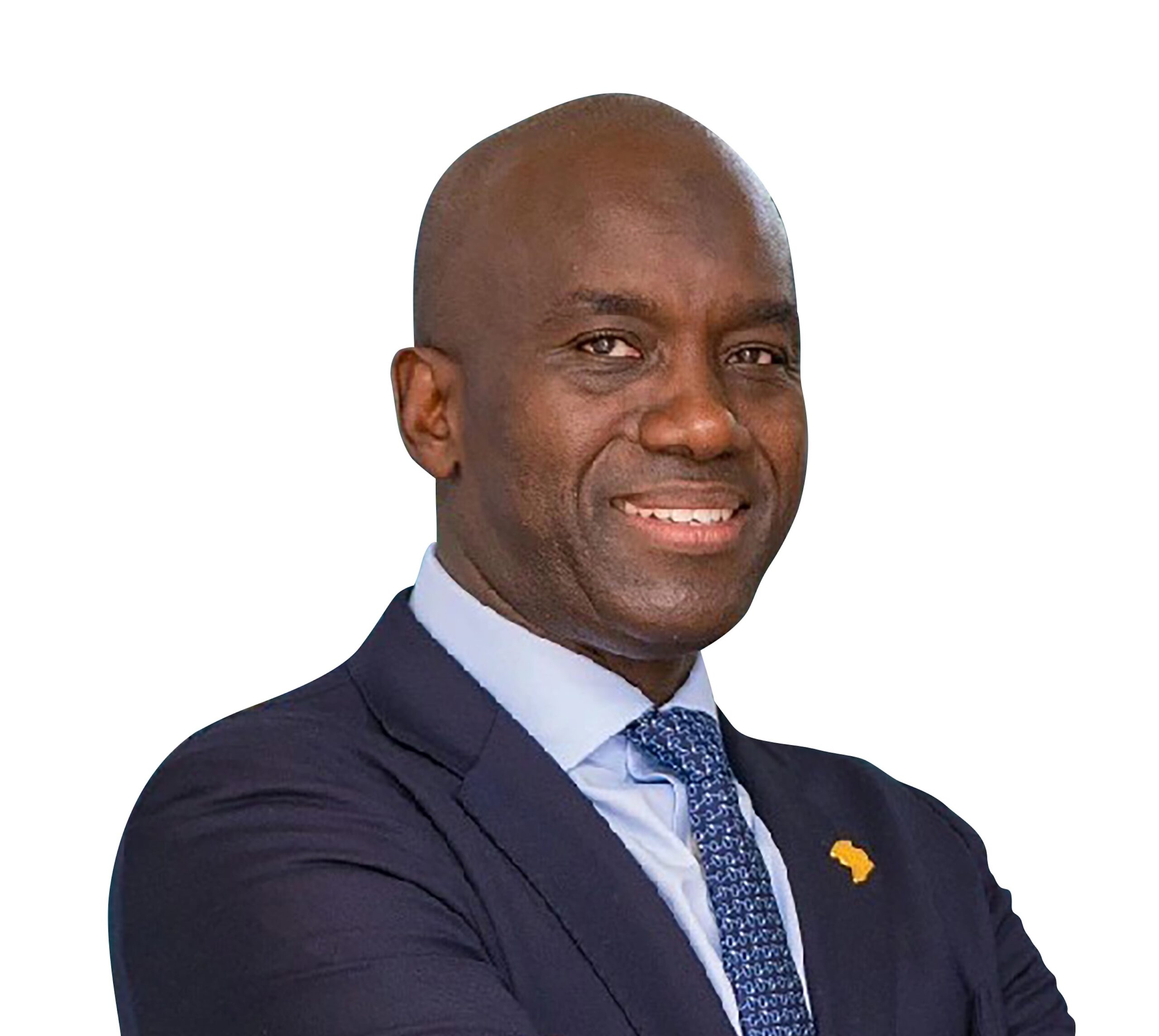
STRONGER anti-money-laundering controls will help win back international banks that have cut ties with African lenders and unlock trade under the continental free-trade area, a senior African Export-Import Bank (Afreximbank) official said.
BY BUSINESS REPORTER
The argument comes as African countries try to expand cross-border trade under the African Continental Free Trade Area (AfCFTA), while de-risking by correspondent banks makes payments costlier and trade finance harder to secure.
Idrissa Diop, director for compliance at the Afreximbank, said robust financial controls should be seen as an enabler of commerce rather than an obstacle.
“Better compliance, better trade,” Diop said. “To us, compliance just facilitates trade.” De-risking, the withdrawal of correspondent banking relationships, makes international payments harder and costlier and limits access to trade finance.
Banks have cited concerns about money laundering, terrorist financing and sanctions exposure. Diop said stronger regulation and effective enforcement could help restore confidence among international banking partners.
Compliance as a competitive advantage
Countries with effective financial oversight are better placed to attract investors and persuade foreign banks and trading partners to process their transactions, Diop said.
“It positions the country as having a platform which is safe for trade,” he said. He pointed to African jurisdictions that have exited the Financial Action Task Force’s grey list, which subjects countries with strategic deficiencies in their anti-money-laundering and counter-terrorism-financing systems to increased monitoring.
Such reforms, he said, improve countries’ ability to trade with neighbours and international markets, and could encourage correspondent banks to reconsider their exposure to Africa. African banks have also made progress in strengthening compliance systems, Diop said, citing fewer sanctions against them and greater efforts to avoid penalties from central banks.
“It’s continuous work,” he said.
AfCFTA integration faces regulatory gaps
Differences in national financial regulations remain a challenge as African countries pursue a more integrated market. Diop said no single authority could impose a uniform compliance framework across the continent.
Governments must instead identify weaknesses in their systems and decide how far to align their rules with international standards and those of neighbouring countries. “It’s a political drive,” he said. “It’s also a conversation between neighbours.”
He compared the process with European integration, which took years of negotiations and regulatory adjustments. Afreximbank can bring regulators, financial institutions and businesses together to identify inconsistencies and discuss practical solutions, Diop said.
However, individual countries must remain responsible for protecting the integrity of their financial systems. Regional bodies such as the Eastern and Southern Africa Anti-Money Laundering Group, the Action Group against Money Laundering in Central Africa, the Inter-Governmental Action Group against Money Laundering in West Africa and the Middle East and North Africa Financial Action Task Force are also pressing member states to adopt the latest standards.
Technology to help manage rising transaction volumes
Artificial intelligence could help banks monitor growing transaction volumes by analysing data faster than manual systems, Diop said, but he cautioned that the technology must be adapted to local conditions. “It’s not magic,” he said.
Gaborone forum
Afreximbank will discuss these issues at its compliance forum, trade seminar and factoring workshop in Gaborone, Botswana, from November 16 to 19.
The compliance forum is expected to bring together regulators, banks, traders and technology providers to examine financial-crime controls and the practical challenges of operating across borders.
Diop said the programme is still being finalised, with central banks, financial intelligence units and trade and oil companies invited to join panels.
The discussions will give regulators and businesses a chance to identify conflicting national requirements that impede transactions and explore ways to improve co-operation, he said.
Diop urged local banks to attend, saying the forums are “rich in content”. “You don’t have an event like this in terms of trade and compliance on the continent,” he said. “These are the premier events on the continent and organised by Afreximbank to promote trade, compliance and factoring.”