
BY BUSINESS REPORTER
African Export-Import Bank (Afreximbank) said on Monday its net income rose 24% to US$813,5 million in the nine months to Sept 30, from $654.3 million a year earlier, driven by lending growth, higher interest income and cost control.
Total assets and contingencies rose 12% to US$54,1 billion from US$48,5 billion at the end of 2025. Net loans and advances increased 8% to US$36,2 billion from US$33,5 billion.
Gross income rose 11% to US$2,7 billion. Interest income grew 9,1% to US$2,4 billion, and net interest income climbed 15% to US$1,5 billion. Average loan balances rose to US$34,8 billion from US$28,9 billion, reflecting demand for trade and project financing. Fee and commission income from unfunded business, including guarantees, letters of credit and advisory services, rose to US$136,9 million from US$117,2 million.
The bank said its cost-to-income ratio improved to 20% from 21%, below its strategic ceiling of 30%. Return on average equity was 12%, and return on average assets rose to 2,48% from 2.34%.
The non-performing loan ratio edged up to 2,48% from 2,43% at the end of 2025. Provisions for expected credit losses rose to US$537,6 million from US$481,3 million a year earlier.
Liquid assets stood at US$6,1 billion, or 13% of total assets, down from 15% at the end of 2025. The capital adequacy ratio was 22%, compared with 23%. Shareholders’ funds increased to US$9 billion from US$8,4 billion, helped by US$195,2 million in new equity contributions under the bank’s general capital increase programme.
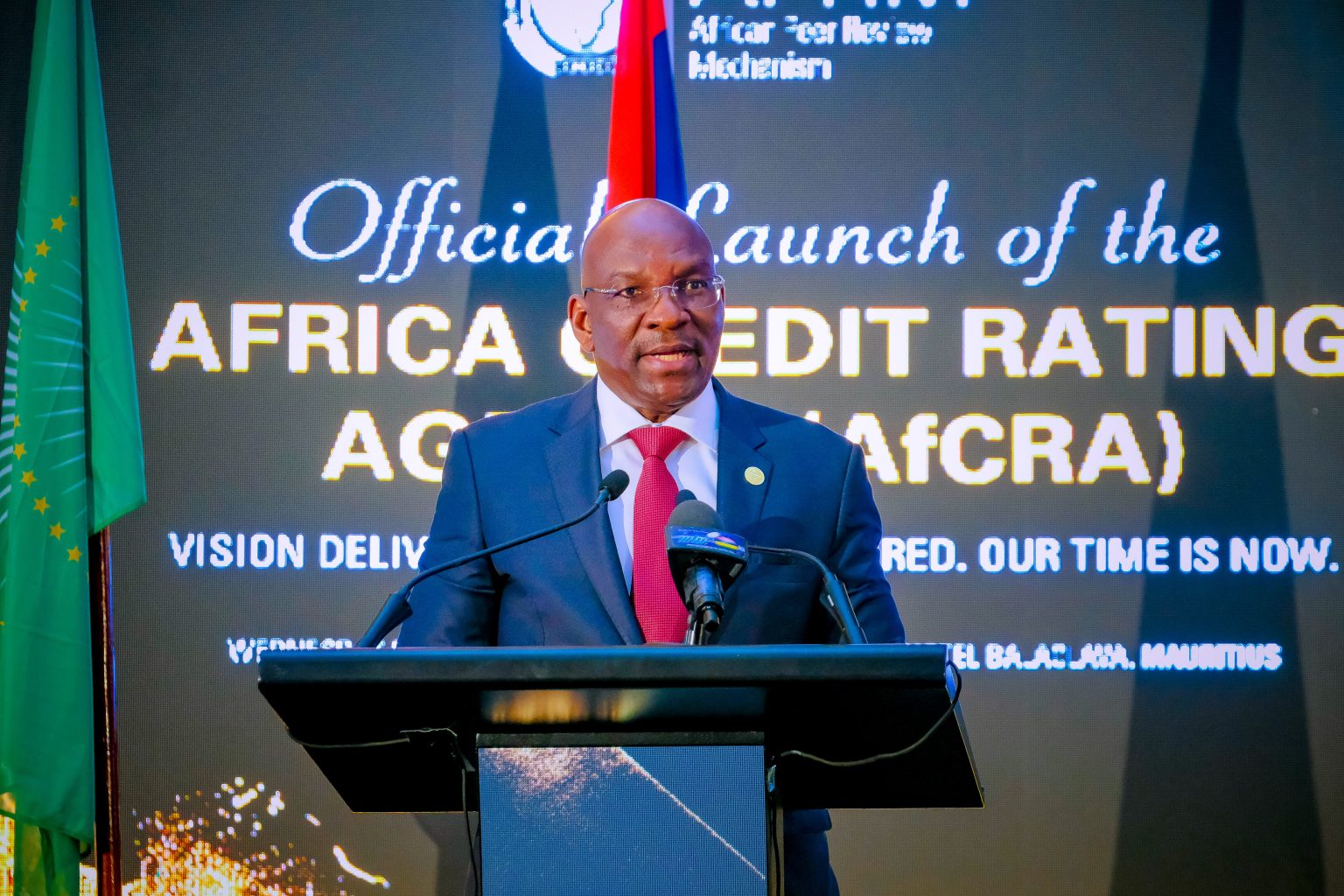
“Our expanded lending portfolio, robust profitability and strong capital position demonstrate the effectiveness of our strategy,” senior executive vice-president Denys Denya said in a statement.
In July, the bank raised US$1,5 billion through a dual-tranche bond, comprising US$750 million of 5,5-year notes and US$750 million of 10-year notes. The issue was about two times oversubscribed. Debt securities in issue rose to US$4,4 billion from US$3,4 billion at the end of 2025.
Afreximbank said it had set up a US$10 billion Gulf Crisis Response Programme to provide liquidity support, ease trade and payment flows, and help member countries keep access to imports such as energy, fertilisers and food. Its high-impact investments rose 23% to US$1,6 billion from US$1,3 billion.